
Arcade game console
[Fall 2022] New video games are released every day, and there are countless creative ways to enjoy them: gamepads and large monitors, laptops, portable game consoles, VR, etc. The way that games become more and more creative and utilize advanced technology is all thanks to the very first video games—the pioneers of the video game world. For this project, we wanted to create our own arcade game console with some classic retro video games that we used to play when we were young, to cherish our chi
- Suitable forB.Tech/B.E Embedded Systems students
- Build time4-6 weeks
- LevelAdvanced
- Available atAjvika Labs, Kakinada
About this project
Introduction
High Level Design
Software Design
Hardware Design
Results
Conclusions
Appendices
Introduction
Let’s bring back the childhood memories through our own arcade game console!
New video games are released every day, and there are countless creative ways to enjoy them: gamepads and large monitors, laptops, portable game consoles, VR, etc. The way that games become more and more creative and utilize advanced technology is all thanks to the very first video games—the pioneers of the video game world. For this project, we wanted to create our own arcade game console with some classic retro video games that we used to play when we were young, to cherish our childhood days.
The games that we chose to implement are Pong, Snake, and Memory, which is our original memory test game. These games are explained further in details in the High Level Design and Software Design pages.
Here is a demo video in which we briefly walked through how our game console operates and what games we implemented.
Detailed Project Description
Arcade game console implements complete game logic — board/state, rules, turns, scoring and win detection — behind a responsive interface.
How It Works
1. The game state (board, players, score) is modelled in data structures.
2. User input is validated against the rules before the state is updated.
3. The screen is redrawn after each move and win/lose conditions are checked.
4. Scores and settings are saved between sessions.
Technology Roles
- RP2040
- C
- BLE
- IR
Implementation Steps
1. Design the board/screen layout and list the rules precisely.
2. Set up the project in C, Arduino IDE and create the game screens.
3. Model the game state (board, players, score, turn) in data structures.
4. Implement move validation, turn handling and win/draw detection.
5. Add rendering, animations, sound and score persistence.
6. Play-test extensively for rule errors and edge cases; polish the UI.
Key Features
- Rule enforcement
- Smooth rendering
- Score tracking
- Restart / settings
Expected Output
On completion the student will have a playable game with correct rules and score keeping.
Deliverables
- Complete source code with comments
- Database schema / data model and screen flow
- Project report with screenshots and results
- Demonstration-ready build
Technologies used
Software & tools
- C
- Arduino IDE
Project demo video
What you get
- Working project / hardware kit, tested before delivery
- Complete source code with explanation
- Project demo and guidance for your viva
- Project report, PPT and IEEE paper support (on request)
Related Embedded Systems projects
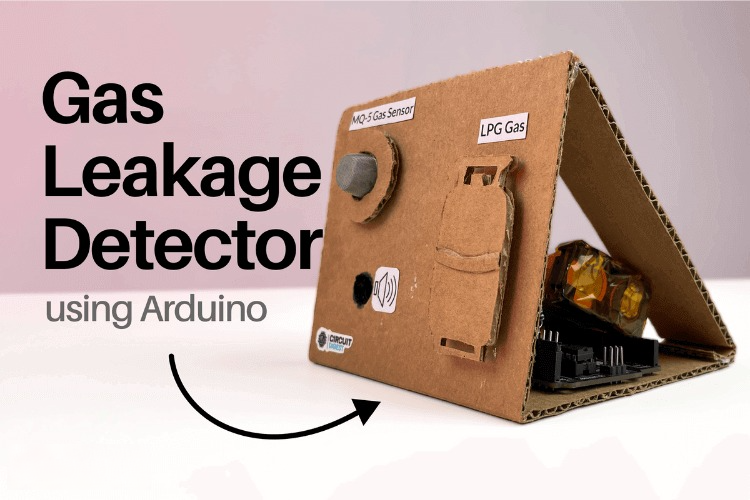
Gas Leakage Detector Using Arduino
A budget-friendly LPG gas leak detector built with an Arduino and MQ-5 gas sensor, triggering a buzzer and LED when unsafe gas levels are de...
View project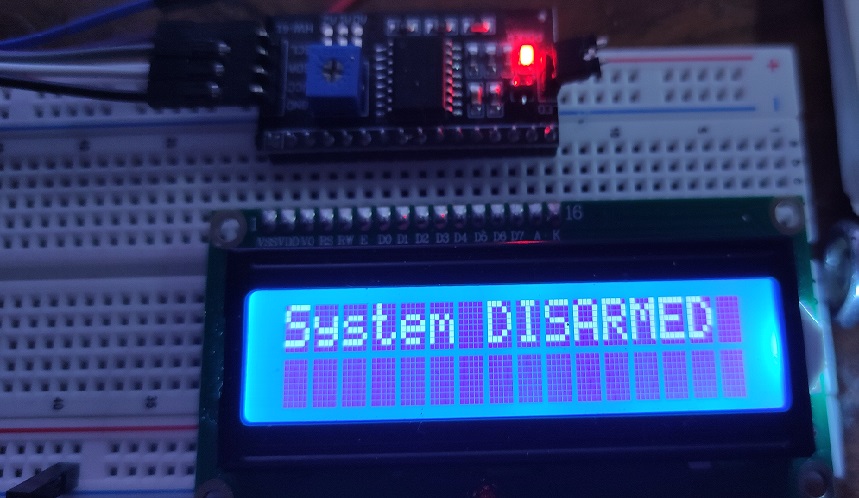
Simple Alarm System
A beginner-friendly home alarm with PIR motion sensing, keypad PIN entry, and separate entry/exit timing delays, built to be easy to expand.
View project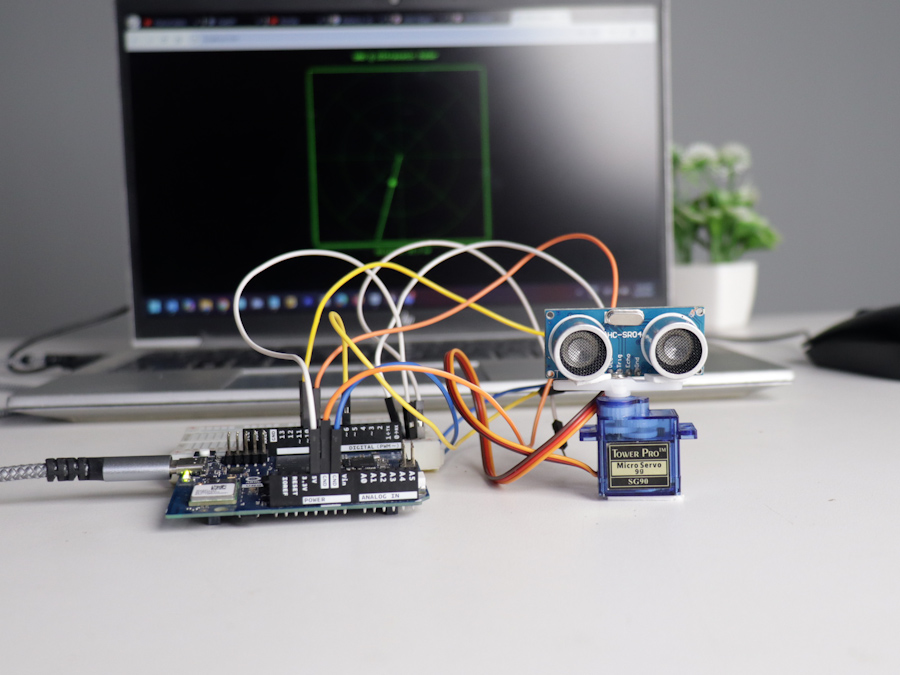
Ultrasonic Sensor Project with Arduino UNO Q
A beginner-friendly first Arduino UNO Q project: a servo-swept ultrasonic sensor that renders a live sweeping radar display in a web browser...
View project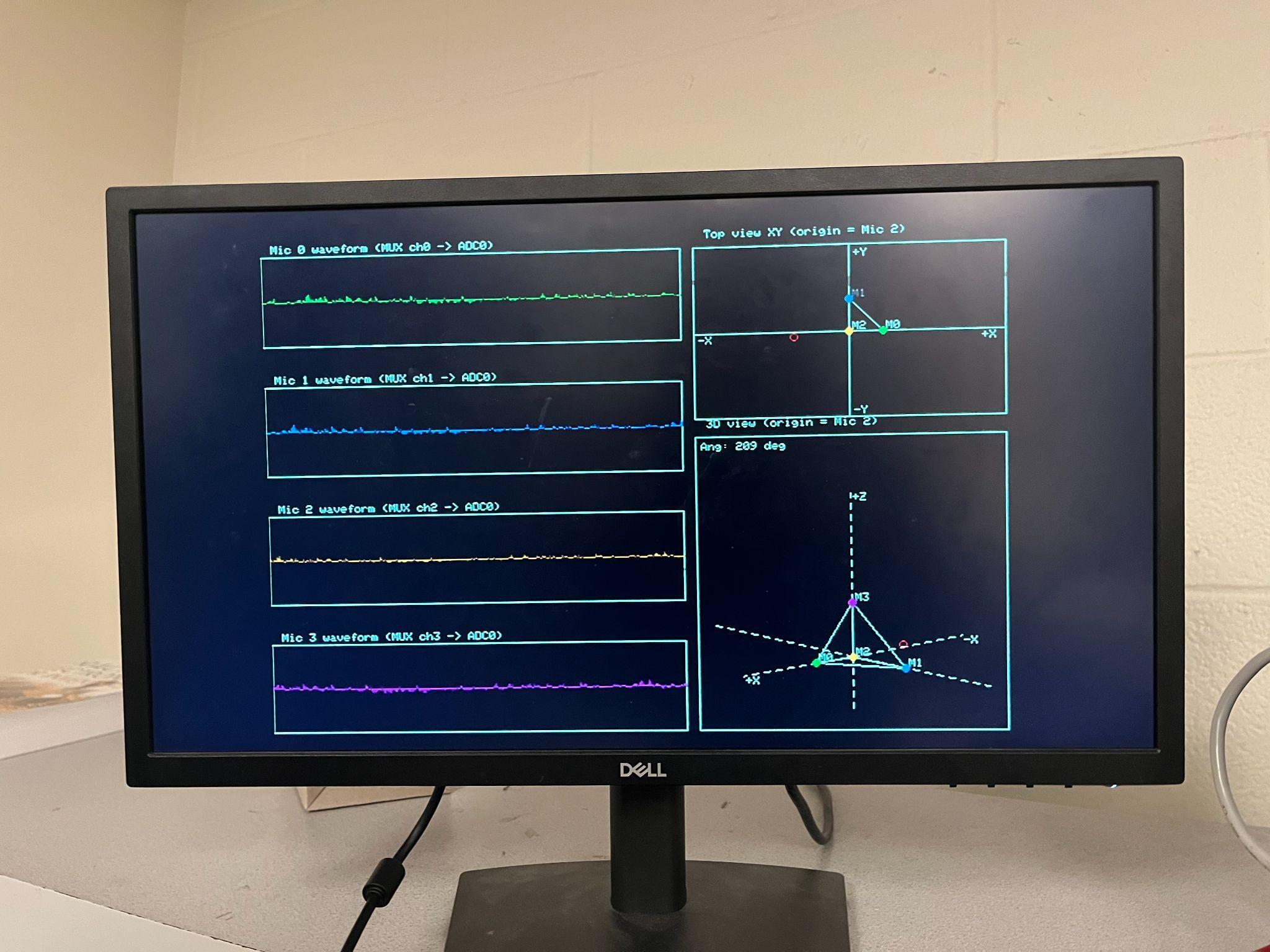
3D Audio Localization
[Fall 2025] We designed a real-time embedded system that localizes sound sources in three dimensions and visualizes them live using a four-m...
View project